Natural daylight can transform a dark hallway, landing, bathroom or internal room. However, fitting a conventional roof window is not always practical. The room may sit below a loft, the ceiling may not follow the roof slope, or there may not be enough space for a full rooflight.
A sun tunnel offers another option. It carries daylight from a small glazed or domed unit on the roof through a reflective tube and into the room below. As a result, it can brighten areas that would otherwise depend on electric lighting throughout much of the day.
Sun tunnels can work particularly well in UK homes with dark landings, windowless bathrooms, corridors, stairwells and internal kitchens. Nevertheless, they also have limitations. They do not provide a view, they cannot usually ventilate a room, and the amount of light they deliver depends heavily on the roof position, tube length and installation quality.
This guide looks at the main pros and cons of sun tunnel installation, likely costs, suitable locations and the questions homeowners should ask before requesting quotes.
What is a sun tunnel?
A sun tunnel is a daylighting system that brings natural light into a room from the roof.
The system normally has three main parts:
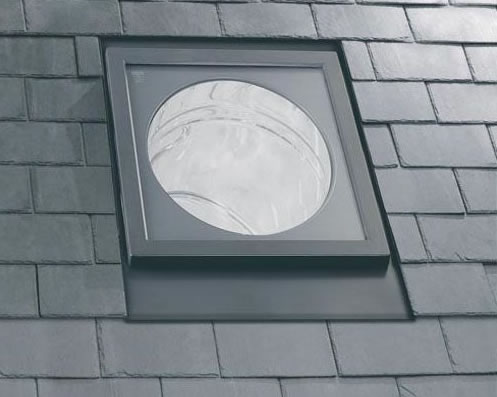
- a roof-mounted dome or glazed collector
- a reflective rigid or flexible tube
- a ceiling diffuser inside the room
The roof unit gathers daylight. The reflective tunnel then directs that light through the roof space before the diffuser spreads it into the room below.
Although people sometimes call them light tunnels, solar tubes or tubular skylights, the basic principle remains the same. They bring daylight into spaces where installing a full roof window may prove difficult or unnecessary.
Where can you install a sun tunnel?
Sun tunnels suit rooms that need more daylight but do not necessarily need an opening window.
Common locations include:
- upstairs landings
- hallways
- stairwells
- windowless bathrooms
- internal kitchens
- utility rooms
- dressing rooms
- home offices
- corridors
- loft conversion storage areas
They can work with pitched or flat roofs, although the installer must use the correct roof unit and flashing system for the roof covering.
The shortest and straightest route normally gives the best result. Therefore, a room directly below the roof usually receives more light than one that needs a long or sharply angled tunnel.
Main advantages of sun tunnel installation
1. Sun tunnels bring daylight into dark spaces
The main benefit is straightforward: a sun tunnel can introduce natural daylight into a room that has little or no direct access to an outside wall.
That can make an enclosed hallway or bathroom feel more pleasant and less cramped. Moreover, natural light often gives colours and finishes a more realistic appearance than artificial lighting alone.
2. They work where a roof window may not
A standard roof window normally needs a relatively direct connection between the roof slope and the ceiling below. In contrast, a sun tunnel can carry light through a loft or roof void.
Therefore, it can work in rooms with:
- a flat ceiling below a pitched roof
- loft space between the roof and the room
- limited ceiling area
- no suitable external wall
- insufficient room for a full rooflight
This makes sun tunnels useful in many conventional UK houses.
3. Installation can cost less than a full roof window
A sun tunnel usually needs a smaller roof opening than a conventional roof window. In addition, the installer does not need to form a large plastered light well in the same way.
Typical fitted UK prices currently sit at around £600 to £1,900, although straightforward installations may cost less and difficult flat-roof or long-tunnel installations may cost more. Roof access, tunnel type and internal finishing all affect the quote.
4. They can reduce daytime use of electric lights
A sun tunnel will not eliminate the need for artificial lighting. However, it can reduce how often you switch lights on during brighter parts of the day.
The saving may not recover the full installation cost quickly. Even so, many homeowners value the improvement in the room more than the small reduction in electricity use.
5. They have a relatively discreet appearance
A sun tunnel takes up less roof space than a large roof window. Therefore, it may look less noticeable from outside, especially when the installer positions the roof unit carefully.
Inside, the diffuser usually resembles a large ceiling light. Consequently, it can blend into the room without dominating the ceiling.
6. Installation often causes less disruption than a rooflight
Although the roofer must still open the roof and ceiling, the work usually affects a smaller area than a conventional roof window installation.
A straightforward job may involve:
- creating an opening in the roof
- fitting the roof unit and flashing
- routing the reflective tube
- cutting the ceiling opening
- installing the diffuser
- making good around the internal opening
However, awkward access or a complicated route can still increase disruption.
7. Sun tunnels can help internal rooms feel more usable
A dark space can feel uninviting even when it serves a useful purpose. Adding daylight may make a hallway, bathroom or utility room feel cleaner, brighter and more welcoming.
For that reason, the main return often comes from comfort and appearance rather than a direct financial saving.
Main disadvantages of sun tunnel installation
1. A sun tunnel does not provide a view
Unlike a roof window, a sun tunnel does not let you see the sky or surroundings. The diffuser simply delivers light into the room.
Therefore, homeowners who want a feeling of openness may prefer a rooflight or roof window where the building allows one.
2. Most sun tunnels do not provide ventilation
A standard sun tunnel does not open, so it cannot release warm or humid air.
That matters in bathrooms, kitchens and utility rooms. Although the tunnel can improve daylight, the room may still need an extractor fan or another ventilation system.
You should not treat a sun tunnel as a replacement for proper ventilation.
3. Light levels vary throughout the day
Sun tunnels rely on available daylight. Consequently, the light level changes with:
- time of day
- season
- cloud cover
- roof orientation
- nearby trees
- neighbouring buildings
- tube length
- number of bends
A bright summer afternoon may produce strong light. In contrast, a dark winter morning may produce only a modest improvement.
4. Long or flexible tunnels may deliver less light
Every bend and additional section of tubing can reduce performance.
A rigid reflective tunnel usually delivers more light than a long flexible one. However, roof timbers, water tanks, pipes and cables may prevent a straight route.
Therefore, the installer should inspect the loft or roof void before confirming the likely result.
5. Poor installation can cause roof leaks
Any installation that creates an opening in a roof needs careful weatherproofing. If the installer uses the wrong flashing, damages the surrounding tiles, or seals the roof unit poorly, rainwater may enter around it.
A competent installer should match the flashing system to the roof material and form the opening without weakening nearby tiles or slates.
6. Condensation can occur if the system is poorly fitted
Warm indoor air and cold roof-space conditions can create condensation risks around badly sealed components.
For that reason, the installer should fit and insulate the tunnel correctly, seal ceiling connections and follow the manufacturer’s instructions.
7. Some rooms are too far from the roof
Sun tunnels work best when the roof sits reasonably close to the ceiling below.
A ground-floor room in a two-storey house may prove much harder to reach because the route may need to pass through an upper floor or other occupied space. In that case, the project can become impractical or disproportionately expensive.
8. The result may not match a large window
A sun tunnel can brighten a room, but it will not usually provide the same effect as a large window or rooflight.
Homeowners should view it as a way to improve a dark area rather than turn it into a fully glazed, sun-filled room.
Sun tunnel pros and cons at a glance
| Advantages | Disadvantages |
|---|---|
| Brings daylight into windowless rooms | Does not provide a view |
| Can work below a loft or roof void | Usually provides no ventilation |
| Smaller roof opening than a roof window | Light levels change with weather and season |
| Often costs less than a large rooflight | Long or bent tubes lose some light |
| Discreet external appearance | Poor installation may cause leaks |
| Can reduce daytime electric-light use | Not suitable for every room |
| Often causes less disruption | May not produce as much light as expected |
| Useful for hallways and bathrooms | Still requires an opening through the roof |
Rigid or flexible sun tunnel: which is better?
Installers generally use either a rigid or flexible reflective tube.
Rigid sun tunnels
Rigid tubes have a smooth, highly reflective internal surface. Therefore, they usually transfer more daylight into the room.
They suit installations where the route can run relatively straight from the roof to the ceiling.
Their advantages include:
- better light transmission
- stronger performance over longer distances
- fewer losses inside the tube
- a more predictable result
However, rigid tubes need more space and careful alignment.
Flexible sun tunnels
Flexible tunnels bend around roof timbers, pipes and other obstacles. Consequently, they can make installation easier in crowded loft spaces.
Their advantages include:
- easier routing
- quicker fitting in some homes
- greater flexibility around obstructions
- suitability for shorter, awkward routes
However, the textured internal surface and bends may reduce the amount of light that reaches the room.
| Tunnel Type | Best Suited To | Main Benefit | Main Drawback |
| Rigid | Straight or mostly straight routes | Better light transmission | Harder to route around obstacles |
| Flexible | Short routes with obstructions | Easier installation | Usually delivers less light |
Pitched-roof and flat-roof sun tunnels
The roof type affects both the system and the installation price.
Pitched-roof installation
A pitched-roof sun tunnel normally uses a roof unit and flashing designed for tiles or slates.
The installer must:
- remove or adjust the surrounding roof covering
- form the opening
- fit the correct flashing
- maintain weatherproof overlaps
- route the tube through the loft
A simple installation on a standard tiled roof often sits toward the lower end of the typical price range.
Flat-roof installation
A flat-roof system needs a suitable kerb, upstand or weatherproof roof unit. The contractor must also integrate it with the existing felt, EPDM, GRP or other flat-roof covering.
Flat-roof sun tunnel installation may cost more where the roof needs a bespoke upstand, specialist waterproofing or difficult access. Current UK guides put some standard flat-roof installations at roughly £1,200 to £2,200, depending on specification.
How much does sun tunnel installation cost?
The table below gives broad UK guide prices.
| Type of Installation | Typical Guide Price |
| Straightforward pitched-roof sun tunnel | £600 to £1,000+ |
| Standard installation with internal finishing | £800 to £1,400+ |
| Longer or more complex rigid tunnel | £1,000 to £1,900+ |
| Flat-roof sun tunnel | £1,200 to £2,200+ |
| Extra sun tunnel fitted during the same visit | May cost less per unit |
| Scaffolding or specialist access | Usually extra |
These prices provide a starting point rather than a fixed tariff. Current UK guides place typical fitted installations broadly between £600 and £1,900, while specialist and flat-roof jobs can move above that range.
What affects the cost of installing a sun tunnel?
Roof type
A straightforward tiled roof may cost less than a slate or flat-roof installation because the flashing and waterproofing details differ.
Tunnel length
Longer tubes need more components and labour. In addition, the installer may recommend a rigid system to maintain better light transfer.
Number of bends
A complicated route takes longer to build and may need extra sections or adjustable elbows.
Roof access
A low bungalow roof may allow easier access than a tall two-storey property. Therefore, scaffolding, towers or specialist access can increase the quote.
Internal finishing
Some quotes only cover the sun tunnel itself. Others include plastering, decorating and making good around the ceiling diffuser.
Roof condition
Broken tiles, worn felt or an ageing flat-roof covering may need repair before the installer can fit the tunnel securely.
Brand and diameter
Larger-diameter and premium systems generally cost more. However, they may also bring more daylight into the room.
Is a sun tunnel worth installing?
A sun tunnel is often worth considering when:
- the room has little or no natural light
- a roof window is not practical
- the route from roof to ceiling is short
- the room does not need an outside view
- ventilation already comes from another source
- you want a relatively discreet roof alteration
It may prove less suitable when:
- the room sits far below the roof
- the tunnel needs several sharp bends
- large trees heavily shade the roof
- you want ventilation as well as light
- you expect the effect of a large window
- a conventional rooflight would fit easily
The best way to judge suitability is to ask an installer to inspect the roof, loft route and intended room.
Sun tunnel or roof window?
Both options add daylight, but they suit different situations.
| Feature | Sun Tunnel | Roof Window |
| Natural light | Yes | Yes |
| Outside view | No | Yes |
| Ventilation | Usually no | Available with opening models |
| Works through loft void | Yes | Usually needs a direct light well |
| Size of roof opening | Smaller | Larger |
| Typical installation cost | Often lower | Often higher |
| Visual impact | Discreet | More noticeable |
| Best for | Hallways, bathrooms and enclosed rooms | Lofts, bedrooms and living spaces |
A roof window usually gives more light and a view. However, a sun tunnel often works better in enclosed rooms that sit below a loft.
Does a sun tunnel need planning permission?
Many modest roof alterations fall within permitted development rights, provided they meet the relevant limits and conditions. However, restrictions can apply to listed buildings, conservation areas, Article 4 areas and properties with previous planning conditions.
Building Regulations and planning permission are also separate matters. Government guidance notes that roof alterations may still need to meet Building Regulations even where planning permission is not required. Therefore, homeowners should check with their installer and local authority before work begins.
Why professional installation makes sense
A sun tunnel may look simple, but the installer must cut through both the roof and ceiling while keeping the building watertight.
Professional installation can help with:
- choosing the best roof position
- checking the route through the loft
- avoiding structural timbers and services
- selecting the correct flashing kit
- forming a weatherproof roof opening
- sealing and insulating the tube
- fitting the ceiling diffuser neatly
- reducing the risk of condensation and leaks
A poor installation may deliver less light and create costly roof problems. Therefore, comparing experienced installers is often more sensible than choosing solely on the lowest price.
What should a sun tunnel quote include?
| Quote Item | Usually Included? | What to Check |
| Roof unit | Yes | Confirm make, model and size |
| Reflective tunnel | Yes | Check whether it is rigid or flexible |
| Ceiling diffuser | Yes | Confirm style and finish |
| Flashing kit | Usually | It must match the roof covering |
| Roof installation | Yes | Check tile, slate or flat-roof details |
| Internal cutting and fitting | Usually | Confirm whether making good is included |
| Plastering | Sometimes | Often listed separately |
| Decorating | Usually extra | Ask who finishes the ceiling |
| Scaffolding or access tower | Sometimes extra | Confirm before comparing prices |
| Electrical light kit | Optional extra | Some systems offer integrated lighting |
How to compare sun tunnel installation quotes
When comparing quotations, check:
- whether the installer recommends a rigid or flexible tunnel
- the tunnel diameter
- the proposed roof position
- the total tunnel length
- whether bends or extension pieces are included
- whether scaffolding is included
- whether plastering and making good are included
- what flashing system the installer will use
- what guarantee covers the installation
- whether the price includes VAT
Most importantly, make sure each company has priced the same specification. One quote may look cheaper because it uses a smaller or flexible tunnel, excludes plastering, or leaves access costs out.
Get sun tunnel installation quotes
A sun tunnel can bring useful natural light into hallways, bathrooms, landings and other enclosed areas. However, its success depends on the roof position, tunnel route and quality of the installation.
Use the quotation form on this page to compare sun tunnel installation quotes from local specialists. You can then compare prices, tunnel types, access arrangements and the amount of finishing work included.
Frequently asked questions
What are the main benefits of a sun tunnel?
A sun tunnel brings natural daylight into rooms that may not have an external window. It also needs a smaller roof opening than many rooflights and can work through a loft or roof void.
What are the disadvantages of a sun tunnel?
A sun tunnel does not provide an outside view and usually offers no ventilation. Light levels also vary with the weather, season, roof position and length of the tube.
How much does a sun tunnel cost to install?
A typical UK sun tunnel installation may cost around £600 to £1,900. However, flat-roof systems, long tunnels, scaffolding and difficult access can push the price higher.
Do sun tunnels work on cloudy days?
Yes, they can still collect diffuse daylight on cloudy days. However, the room will appear less bright than it would during clear and sunny conditions.
Is a rigid sun tunnel better than a flexible one?
A rigid tunnel normally transfers more light, especially over a longer distance. In contrast, a flexible tunnel is easier to route around obstacles but may lose more light.
Can a sun tunnel ventilate a bathroom?
A standard sun tunnel does not provide ventilation. Therefore, a bathroom will usually still need an extractor fan or another suitable ventilation system.
Can sun tunnels leak?
A correctly installed sun tunnel should remain weatherproof. However, poor flashing, damaged tiles or unsuitable flat-roof detailing can allow water to enter.
Do I need planning permission for a sun tunnel?
Many domestic installations may fall within permitted development rights. Nevertheless, listed buildings, conservation areas and some restricted properties may need consent, so check before work starts.
How long does installation take?
A straightforward installation may take around one day. However, long tube routes, internal finishing, flat-roof detailing or difficult access can extend the work.
Is a sun tunnel better than a roof window?
It depends on the room. A roof window normally provides more light, a view and possible ventilation. However, a sun tunnel can work better where the room sits below a loft or lacks space for a full window.