A bathroom renovation quote is only useful when you can see exactly what is being replaced, what sits behind the new finishes and who is responsible for each part of the work. Ask each fitter to price the same written brief, then compare the scope, allowances, VAT and payment terms alongside the total. A cheaper figure can become expensive if it leaves out waterproofing, electrical work or disposal.
This guide is for UK homeowners comparing a bathroom refit, suite replacement or bath-to-shower conversion. It helps you prepare questions for installers; the final design and any specialist work should be assessed on site.
Start with the same bathroom brief
Decide whether the job is a like-for-like suite replacement, a layout change or a complete renovation. Those are different scopes. A new toilet in the same position may be relatively straightforward; moving it can involve changes to the soil connection and floor or wall finishes. Replacing a bath with a shower also needs a clear plan for drainage, the tray or floor build-up and waterproofing.
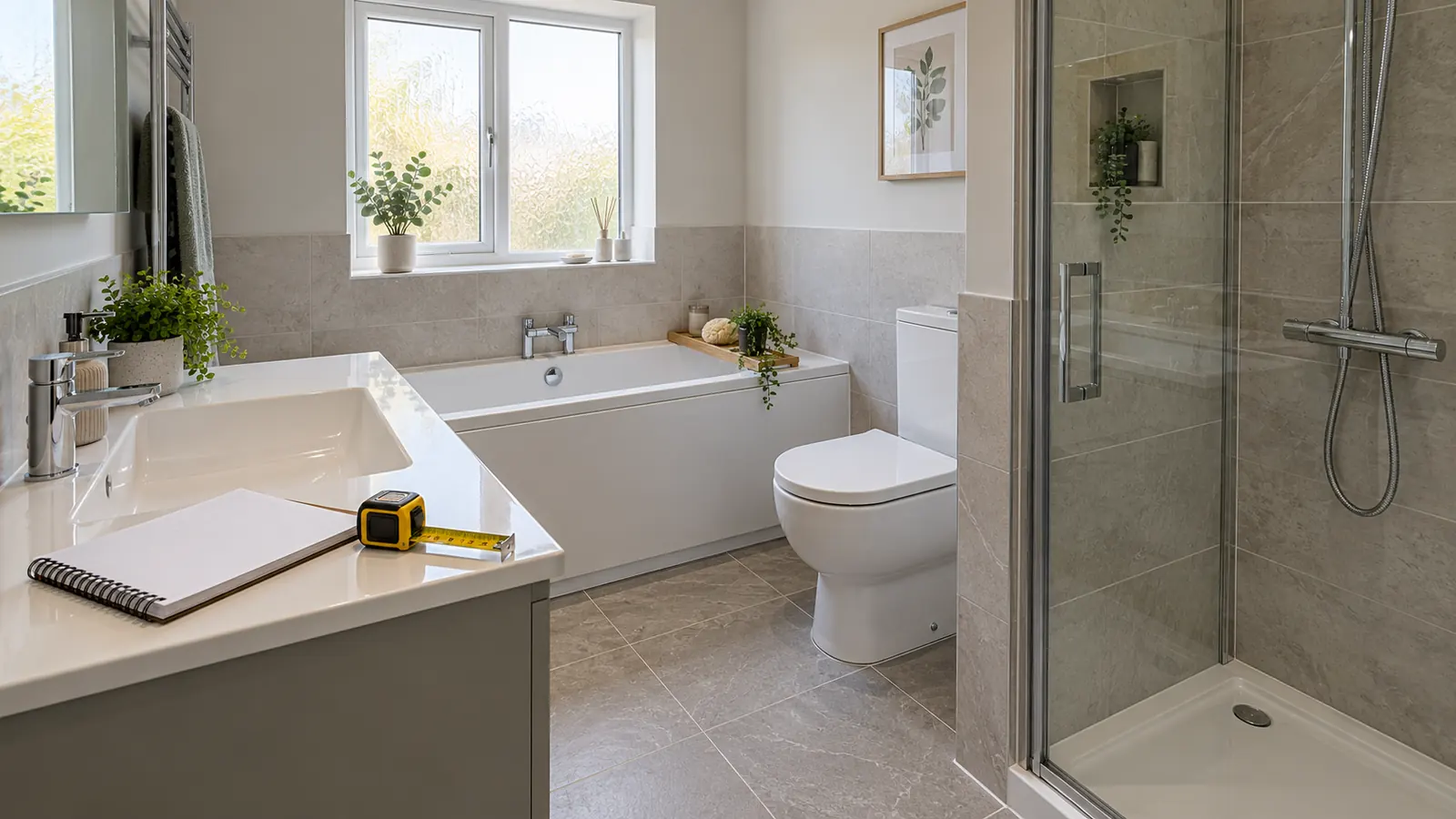
Give every prospective fitter the same approximate room measurements, photographs, current layout and list of problems. Mention leaks, soft floors, poor ventilation and any inaccessible pipework. State whether you will buy the sanitaryware yourself and whether the room must remain usable during the job. A site visit may reveal conditions that photographs cannot establish, so ask what assumptions a quotation relies on.
What should a bathroom renovation quote include?
A useful written quotation identifies the work, materials and exclusions. Citizens Advice recommends written quotes that break down the work and materials, state whether VAT is included and explain when the price could change.
| Part of the job | What to ask the fitter to specify |
|---|---|
| Strip-out and preparation | Removal of old fittings, tiles and flooring; waste disposal; repairs to walls, subfloor or damaged plaster; treatment of any known leak. |
| Plumbing and drainage | Which pipes, wastes and valves are changed; whether fittings stay in place; testing; access to concealed valves and cisterns. |
| Shower and wet areas | Tray or wet-room construction, waterproofing system and coverage, junctions and penetrations, tiling and sealant. |
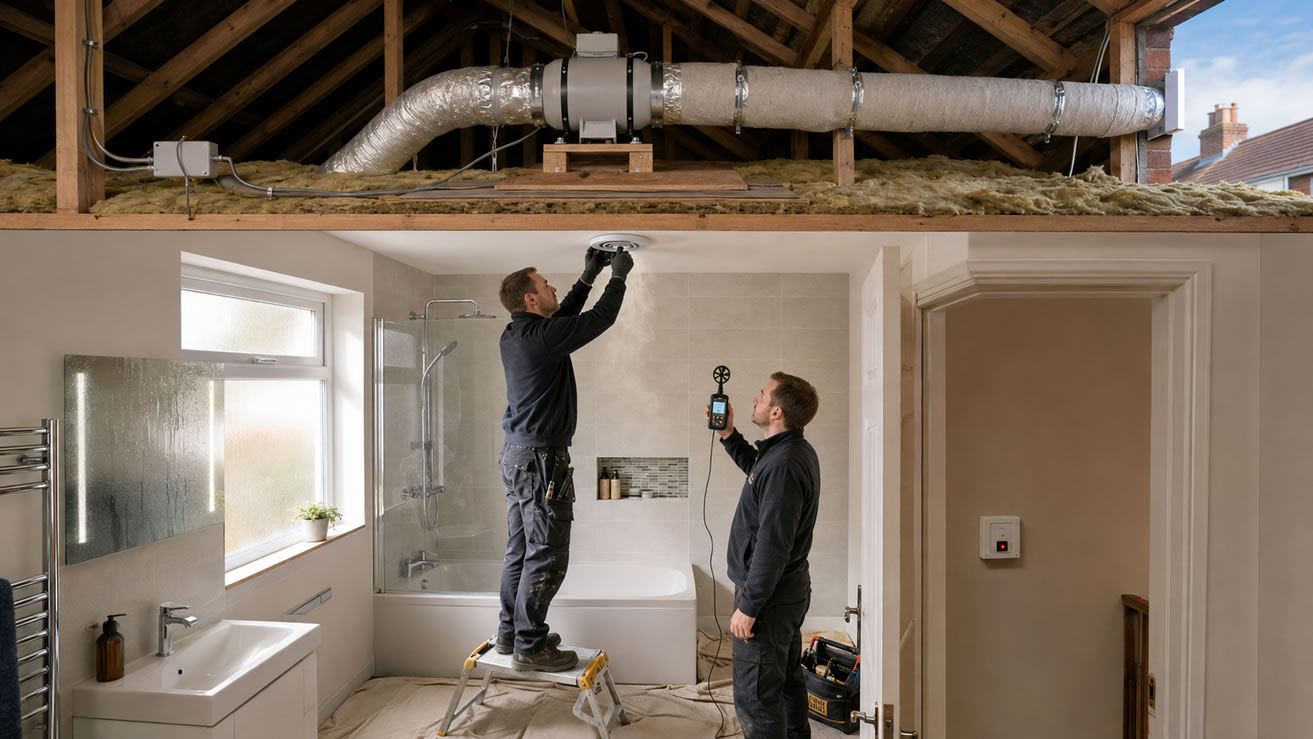
| Electrical and ventilation | Lighting, extractor fan, shaver point or electric shower work; who carries it out; testing and any required notification or certification. |
| Products and finishes | Named or clearly specified sanitaryware, taps, screens, tiles, grout, flooring and accessories; quantities and who supplies them. |
| Commercial terms | Total and VAT treatment, provisional allowances, exclusions, start and completion expectations, payment stages and written variation process. |
Where a product is described simply as “standard”, request a model, specification or realistic allowance. A low allowance for tiles or a shower screen can make an initial quote look attractive while leaving you to pay the difference later. Ask who is responsible if a product you buy arrives damaged or does not fit the agreed layout.
Waterproofing deserves its own line. Tile and grout do not, by themselves, define the system behind a shower. Ask where the installer will use a membrane, how it joins the tray or drain and which work is included if the substrate is unsuitable. Likewise, a new extractor fan should be specified as an installation, not merely listed as a product.
How to compare bathroom prices fairly
When you look at bathroom prices, compare quotes for the same defined job. My Bathroom Prices is an enquiry service that can introduce homeowners to independent bathroom specialists; each responding company assesses and prices its own work. The site’s published service examples are starting context, not a quotation for your room.
Imagine one quote includes removing the bath, installing a shower enclosure and retiling the exposed wall. A second also includes new waterproofing, repairing the floor beneath the bath and an extractor fan. The totals cannot be compared until the first fitter has priced those missing items or confirmed why they are unnecessary. Ask both to identify any provisional sum and the condition that would turn it into an extra charge.
Check the payment schedule as carefully as the total. Agree in writing what triggers each payment, how changes are approved and what evidence you will receive at handover. A written contract should reflect the quote, timings, materials, subcontractors and clearing up. Citizens Advice’s pre-work checklist also recommends checking the trader’s insurance and recent references before you commit.
Ask who will carry out electrical work and whether any building control route applies. In England, new bathroom installations involving plumbing and electrical changes near a bath or shower can fall within building regulations; the precise approval or notification depends on the work. GOV.UK’s homeowner guidance for England gives examples. Requirements elsewhere in the UK differ, so confirm the local position with the installer and the relevant authority before work starts.
How to prepare a bathroom quote brief
You need approximate measurements, photographs taken safely and a list of the fittings or changes you want. Leave plumbing, electrical assessment and opening up concealed areas to the relevant professionals.
- Describe the present room. Note the current bath, shower, basin and toilet positions, along with any leaks, mould, weak flooring or ventilation problems.
- Choose the outcome. Say which fittings will stay, which will be replaced and whether access, storage or easy cleaning matters most.
- List supply choices. Tell each fitter which products you will supply and which they should include, even if you have not selected exact models.
- Request the same breakdown. Ask each company to separate preparation, plumbing, waterproofing, electrical work, finishes, disposal and provisional items.
- Resolve gaps before accepting. Clarify exclusions, VAT, proposed dates, payment stages and how unexpected repairs will be priced and approved.
Bathroom renovation quote FAQs
Is a bathroom estimate the same as a quote?
No. An estimate is an approximate forecast; a quote sets out an agreed price for a defined scope. Ask which document you have and what assumptions or exclusions apply.
Should I buy the bathroom suite myself?
You can, but agree product specifications, delivery dates, storage, missing parts and responsibility for unsuitable or damaged items before ordering. Ask the fitter to confirm dimensions and compatibility first.
What if the fitter finds rotten flooring or a hidden leak?
Ask for photographs or a clear explanation, a written price for the additional work and your approval before it proceeds. The quote should explain how unexpected conditions are handled.
Does a lower bathroom quote mean poorer work?
Not necessarily. It may reflect a different product choice or a more efficient approach. Compare the written scope, materials, qualifications, insurance, references and exclusions before deciding.
Get a quote you can actually compare
Send the same brief to each bathroom specialist and ask them to make uncertainties visible in the written quotation. That gives you a sound basis for choosing a fitter and agreeing the work. You can also use Find Me Quotes’ home improvement quote request to describe your project.
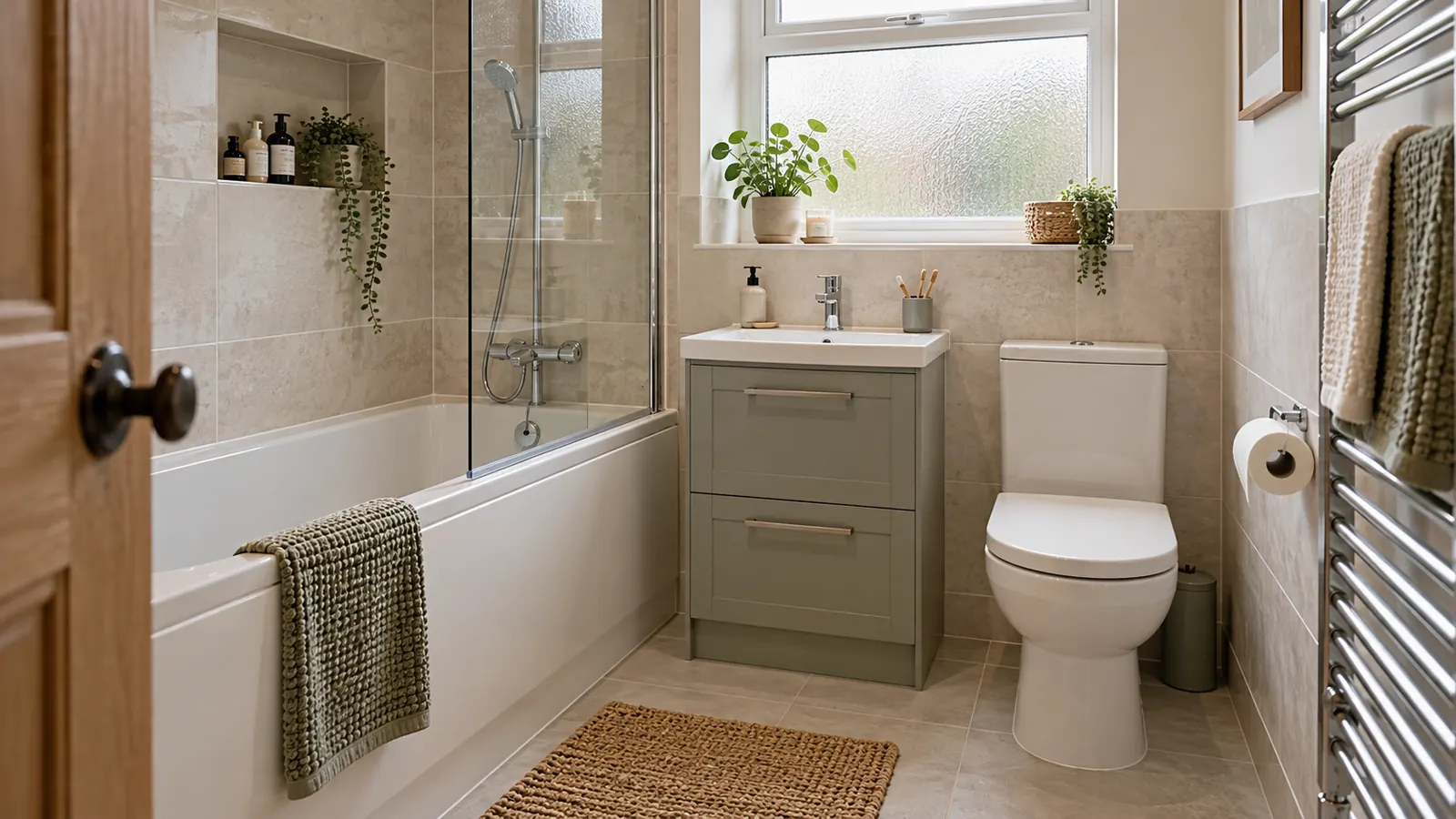
Featured image: AI-generated illustration of a bathroom; it is not a completed Find Me Quotes project.