Start a garden landscaping budget with the work the garden needs: sound levels, a way for water to drain, safe access and surfaces built for their intended use. Then price the finishes you want. This order helps you protect the essentials if the first quotations exceed your budget, without paying to undo new paving or planting later.
You do not need a finished design to begin. A simple sketch, photographs and a list of priorities will help a landscaper assess the site and price a realistic scope. The figures you see online are only planning guides; a written quotation for your own garden is what tells you what is included.
Set priorities before choosing finishes
Write down how the garden must work on an ordinary day. Where do you walk with bins? Is there room to pull out chairs? Which patch stays wet after rain? What must be kept, such as a mature tree, usable patio or sound fence? Separate the answers into essential, desirable and later.
Measure the garden roughly and mark doors, drains, inspection covers, boundaries and the narrowest access route. The RHS recommends a scale plan to make the layout and material quantities more reliable. Your sketch does not need to settle construction details; it gives each contractor the same starting point.
Set a maximum amount you are comfortable spending and leave room for conditions that cannot be confirmed until the site is assessed or opened up. Ask contractors to identify those uncertainties rather than quietly treating them as included. If your limit is firm, say so: they can suggest a smaller area, a simpler finish or a sensible sequence of work.
Price what sits below the finished garden
The visible choices are easy to discuss, but ground preparation can decide whether a scheme lasts. A contractor should assess existing levels, soil, access and water movement before giving a firm scope. The RHS advises assessing the site and soil before changing a garden, including looking for waterlogging in wet weather.
Ask for separate descriptions of clearing and waste removal, excavation, any imported materials, the bases under paving or paths, drainage, retaining work and soil preparation. A quotation for new paving over an existing sound base is a different job from excavation and a new base. Do not compare the totals as though they include the same work.
If the garden slopes or stays wet, ask where water will go and what changes to levels are proposed. A drain with no viable outlet is not a complete solution. If retaining structures, protected trees or major changes to levels are involved, ask what design or permission checks are needed for your property before committing to the build.
Divide the project into sensible stages
Phasing can make a larger plan manageable, provided the first stage prepares for what follows. Ask one contractor to show the intended final layout even if you can only commission part of it now.
| Stage | Typical decisions | What to settle before moving on |
|---|---|---|
| 1. Survey and layout | Keep or remove existing features; mark routes, levels and future patio or lawn areas. | Access, drainage route and any specialist design or permission checks. |
| 2. Groundwork and fixed structures | Excavation, drainage, retaining work, foundations, paths and main paving. | Finished levels, where water discharges, and protection of retained plants. |
| 3. Soil and living finishes | Soil improvement, beds, turf or seed, and larger plants. | Soil condition, planting season and who handles early watering. |
| 4. Optional details | Decorative planting, furniture, lighting and other additions. | Whether any cables, ducts or foundations should be installed earlier. |
This is a planning sequence, not a universal construction method. A landscaper may recommend a different order for your site. For example, a new boundary may need to go in before machinery access is restricted, while electrical work should be assessed and priced by a suitably competent electrician before surfaces are closed.
Where can you reduce the scope without creating rework?
The most useful saving is often to build less area well. A smaller patio that fits the table and circulation space may cost less than paving the whole garden. Keeping a sound path or healthy established planting can also avoid removal and replacement costs, though the contractor must confirm it can be protected during the work.
Ask for alternatives as separate prices: one paving material versus another, turf versus seed, or a completed seating area now with planting later. Check how each alternative changes preparation, maintenance and the finished look. Supply-only material prices are not installed project prices; labour, base, delivery, disposal and VAT still need accounting for.
Do not postpone drainage or essential groundwork merely to make the first figure attractive. Reopening a new lawn or lifting paving to correct a known problem can erase the apparent saving. Equally, avoid paying twice for deliveries, access equipment or excavation if related stages could be done together. Ask the contractor to explain the trade-off in writing.
Compare quotations against one shared brief
For an initial sense of garden landscaping prices, look at the range as a prompt for questions, not a quote for your plot. Site access, excavation, paving area, retaining work, plant sizes and waste disposal can change the total substantially. Ask each contractor to visit or otherwise assess the same brief and list what their price covers.
Request a breakdown for design or survey work, clearance, groundwork, drainage, hard landscaping, soil and planting, waste removal and finishing. Ask whether VAT is included, how long the price is valid, what has been allowed for uncertain ground conditions and how any change will be approved. Citizens Advice recommends written quotes that set out the work, materials, VAT position and when the price may change. It also advises checking insurance and agreeing a written contract.
If one quote is much lower, compare the scope line by line. Has it omitted soil removal, a sub-base, a drainage outlet or the final tidy-up? Confirm product specifications and quantities rather than relying on a broad label such as “natural stone”. Agree payment stages and the process for unexpected work before accepting.
How to prepare a brief for landscapers
You need a rough sketch, safely taken photographs and a list of priorities. Leave drainage design, structural decisions and installation methods to the relevant professionals.
- Record the existing garden. Mark approximate dimensions, access widths, levels, wet spots, doors, covers and features to retain.
- Describe the outcome. Explain how you want to use the space and identify the essential work, preferred finishes and optional additions.
- Set the budget boundary. State your comfortable maximum and ask for clearly separated alternatives or phases if the full plan costs more.
- Request the same breakdown. Ask every contractor to price preparation, construction, materials, disposal, VAT and exclusions in writing.
- Resolve uncertainty. Ask who will investigate ground conditions, what is provisional, how changes are authorised and what the handover includes.
Garden landscaping budget FAQs
Should I ask for one total price or separate stages?
Ask for both if you may phase the project. A total for the complete scheme shows the overall commitment; stage prices show what can wait. Confirm whether splitting the work adds repeat delivery or setup costs.
Can I buy the paving and plants myself?
You can ask, but agree who checks suitability, quantities, storage, breakages and replacement items. A cheaper supply price may not lower the installed total if it causes delays or extra handling.
How much contingency should I allow?
There is no percentage that fits every garden. The right allowance depends on what has been surveyed, what remains hidden and how flexible your budget is. Ask the contractor to identify and price known risks where possible, and keep any separate reserve under your control.
What if the quote is above my budget?
Ask which changes reduce cost without compromising drainage, safe levels or the integrity of the build. Compare a smaller finished area, simpler materials or a properly planned later planting stage. Get the revised scope and price in writing.
Move from plan to a priced scope
Share the same brief with several suitable landscapers and compare what each proposes beneath the visible finish. You can request home improvement quotes through Find Me Quotes and use the written responses to decide which version of the project fits your garden and budget.
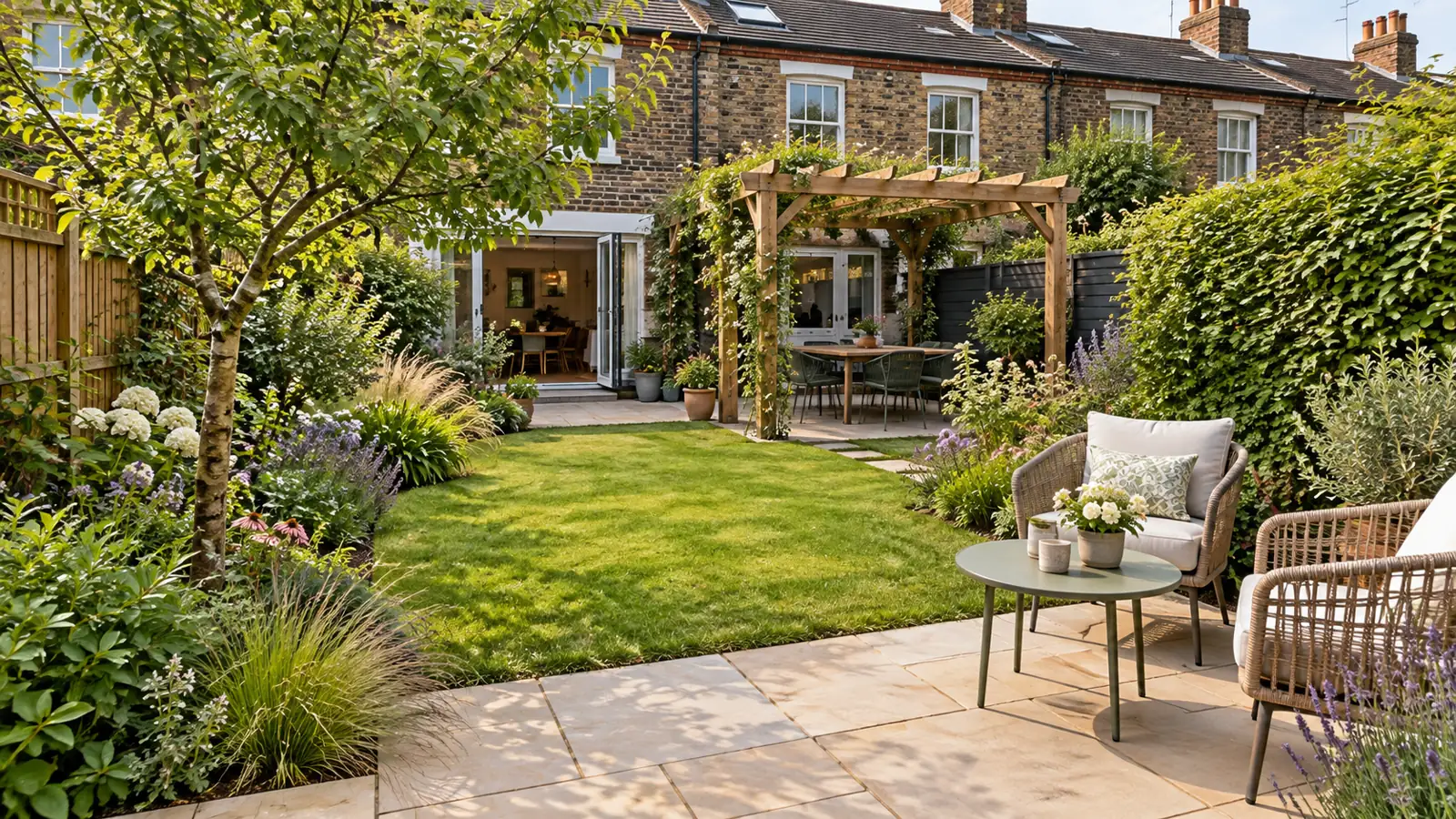
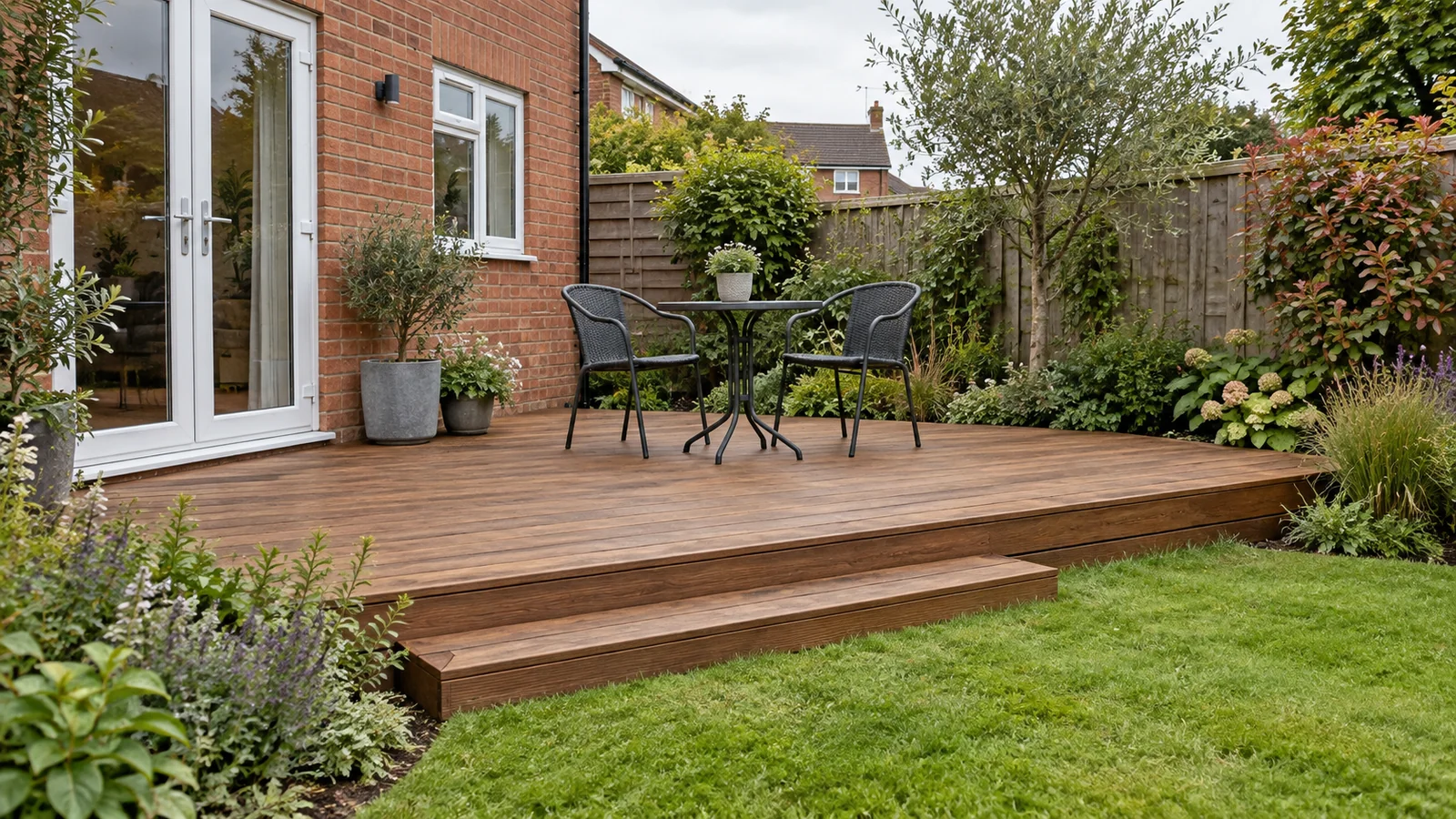
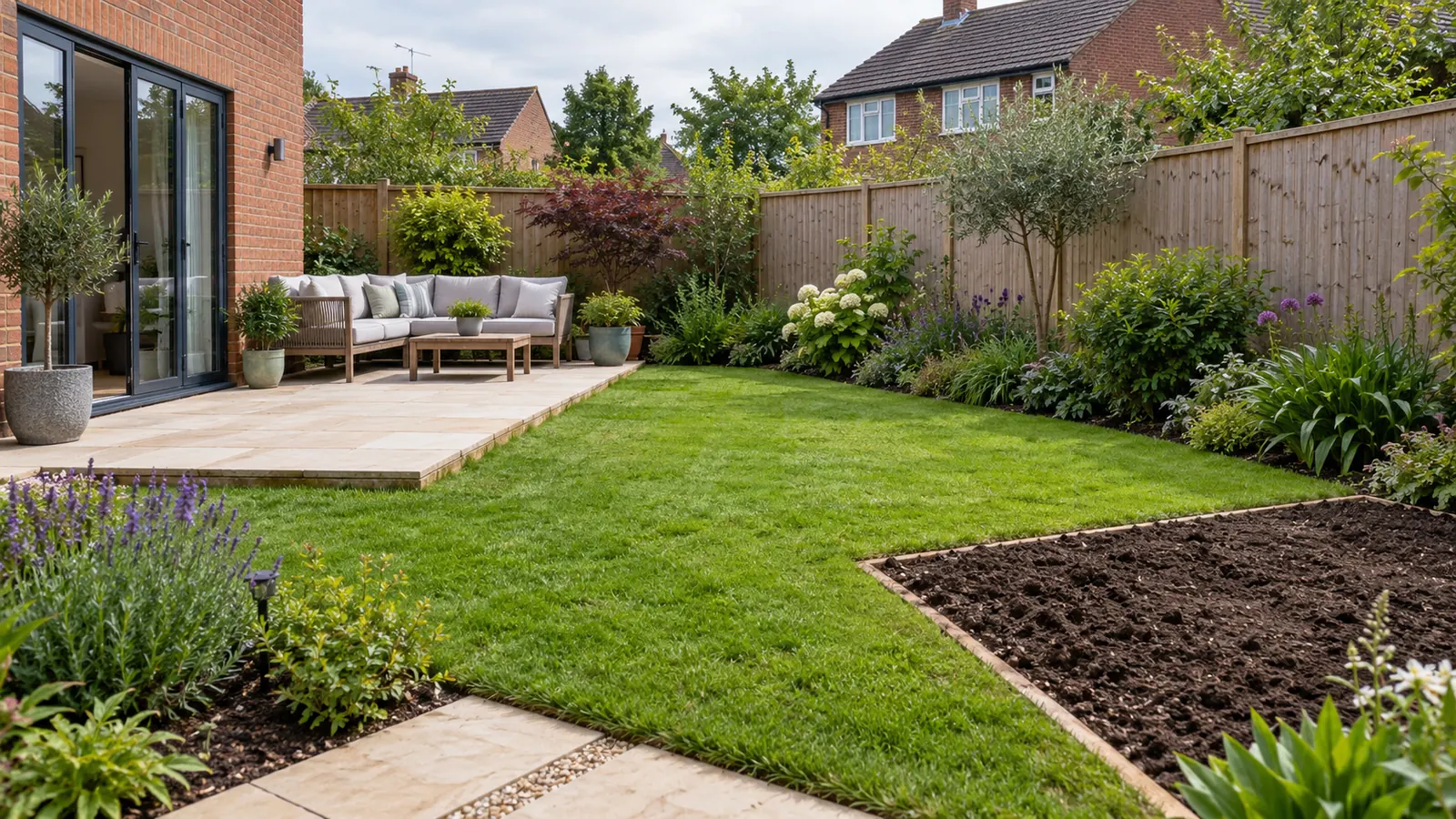
Featured image: AI-generated illustration of a partly landscaped UK garden; it is not a completed Find Me Quotes project.